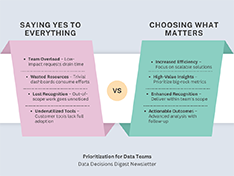
AI exposes weak operations and slow decisions
AI does not repair unclear ownership, slow escalation, or broken workflows. It exposes them faster and at scale. Models amplify whatever system they enter — including the broken ones. And a risk signal has no value if nobody can act on it. Decision authority — not detection accuracy — is the bottleneck.
The argument
Most teams believe AI will make their operations better. The uncomfortable truth is different: AI makes weak operations visible. If your processes are unclear, if ownership is distributed across too many people, if escalation requires a meeting — AI will not fix that. It will surface the failure faster, at higher volume, and with less room to hide.
Every organization invests in detection. Few invest in the authority to act on what they detect. The result: dashboards light up, alerts fire, and nothing changes because nobody in the room has the mandate to stop, slow, or redirect.
Decision authority is the missing layer between intelligence and outcome. It means pre-committing who can act, under what conditions, within what time. Without it, your signals are expensive noise — they document loss instead of preventing it.
The teams that succeed with AI in operations are the ones who fix the operating model first. They clarify who owns what, they shorten the path from signal to action, and they design for speed under uncertainty. Then AI becomes a force multiplier. Without that foundation, it becomes an expensive mirror.
Articles
AI Will Expose Your Slow Decisions: A Framework to Cut Delay Under Risk
Why the Person Who Sees the AI Signal Must Pull the Lever
One Extra Approval Can Cost You the Attack: Why AI Needs Authority in Fraud Response
The Hidden Cost of Deploying AI Into Unclear Ownership
From Status Updates to Orders: How Strong Teams Turn AI Signals Into Decisions
AI Will End Status Updates: Convert Them Into Decision Meetings in the Next 12 Months
7 Failures You Trigger by Deploying AI Without an Escalation Path
Assign Decision Rights Now: How to Turn AI Signals Into Fast, Authorized Actions
AI Speeds Up Detection, Not Decisions: Cut the Delay or Pay for Noise
Build a 2 A.M. Decision System That Works Without You
Pre-Commit Decision Rights or Pay for Noise: Turn AI Alerts Into Orders
AI Fails in Teams Without Escalation Paths
AI Won’t Speed You Up—Pre-Commit Decision Rights Before the Next Crisis
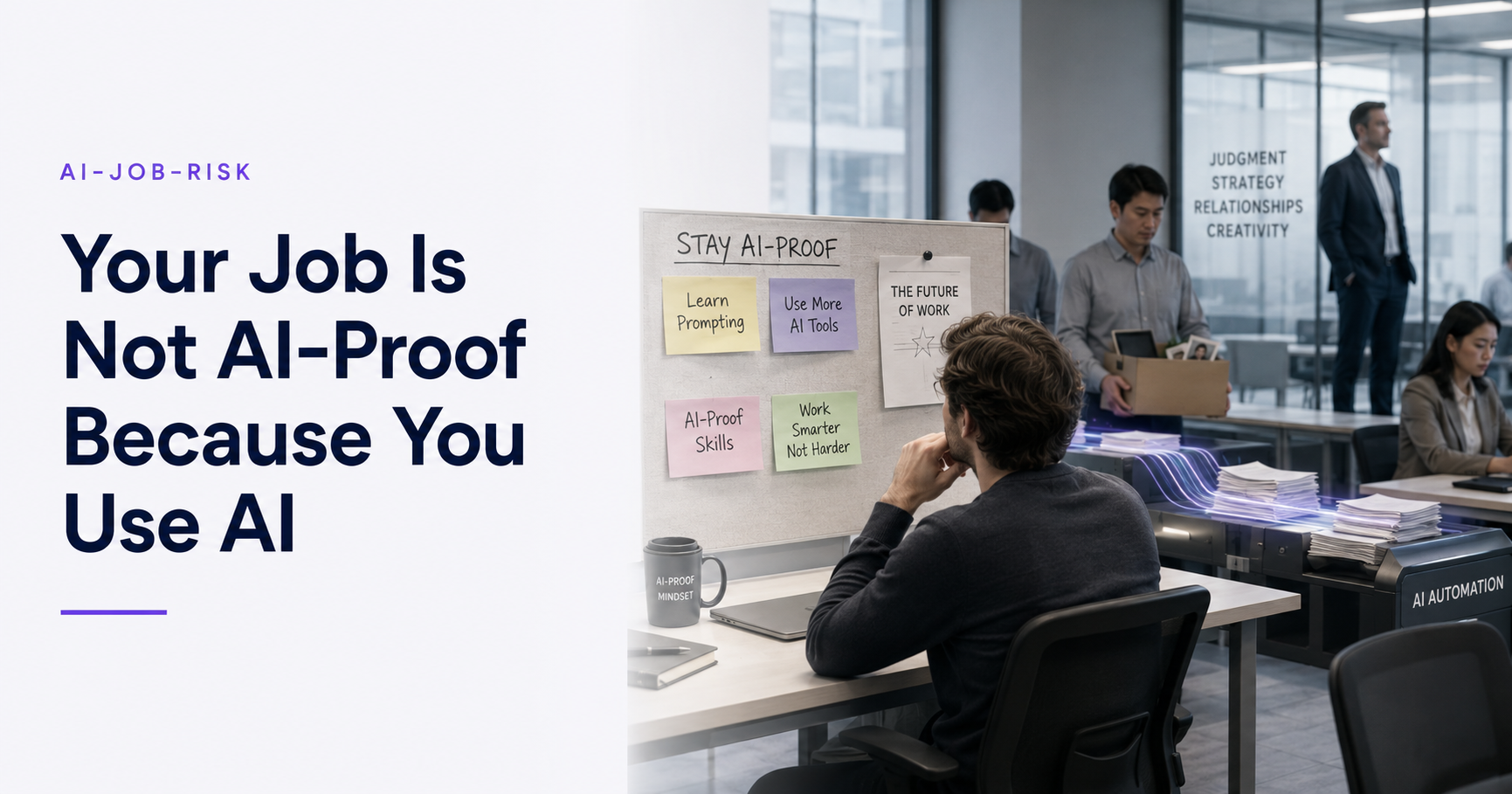
Your Job Is Not AI-Proof Because You Use AI
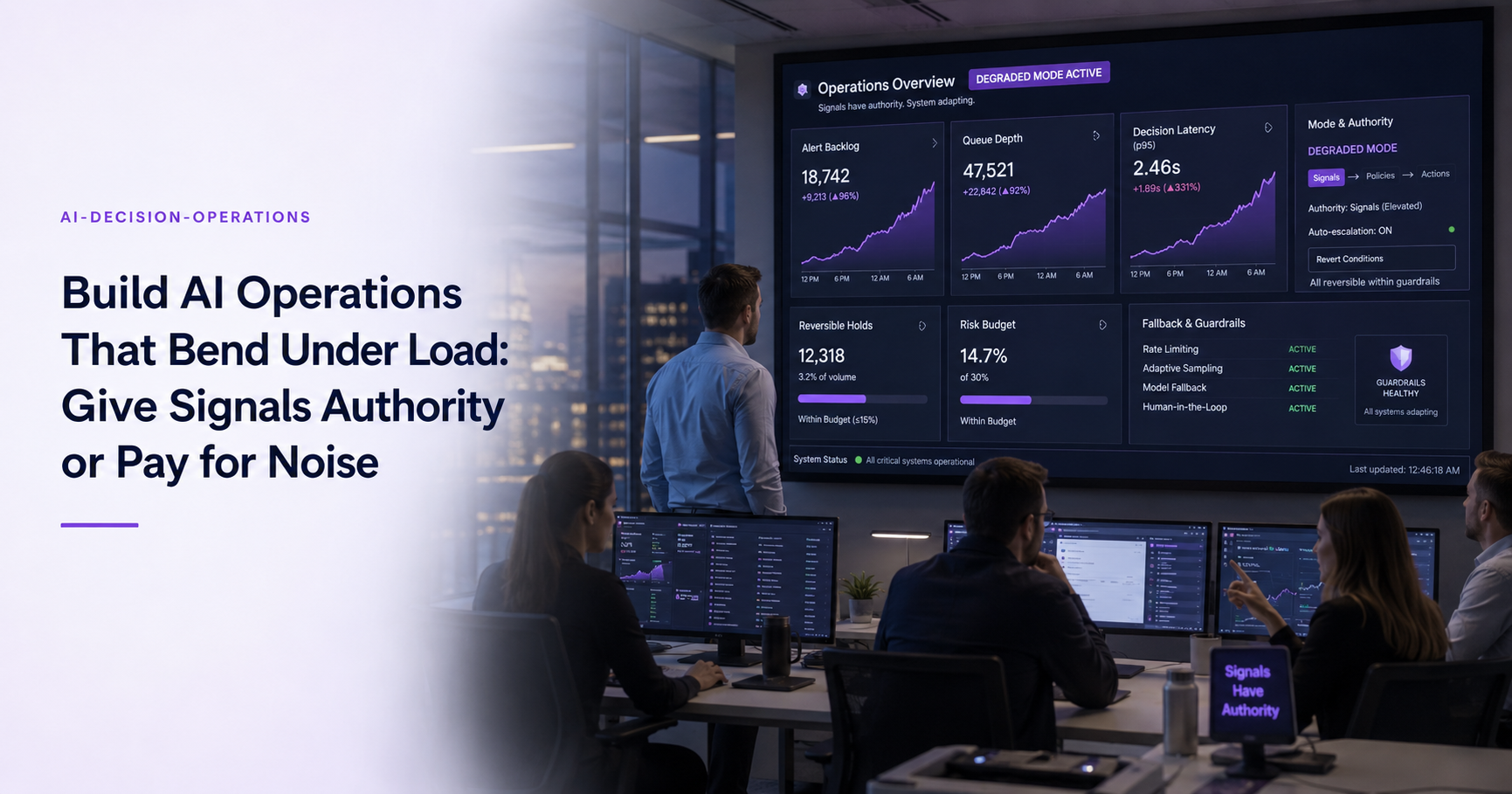
Build AI Operations That Bend Under Load: Give Signals Authority or Pay for Noise
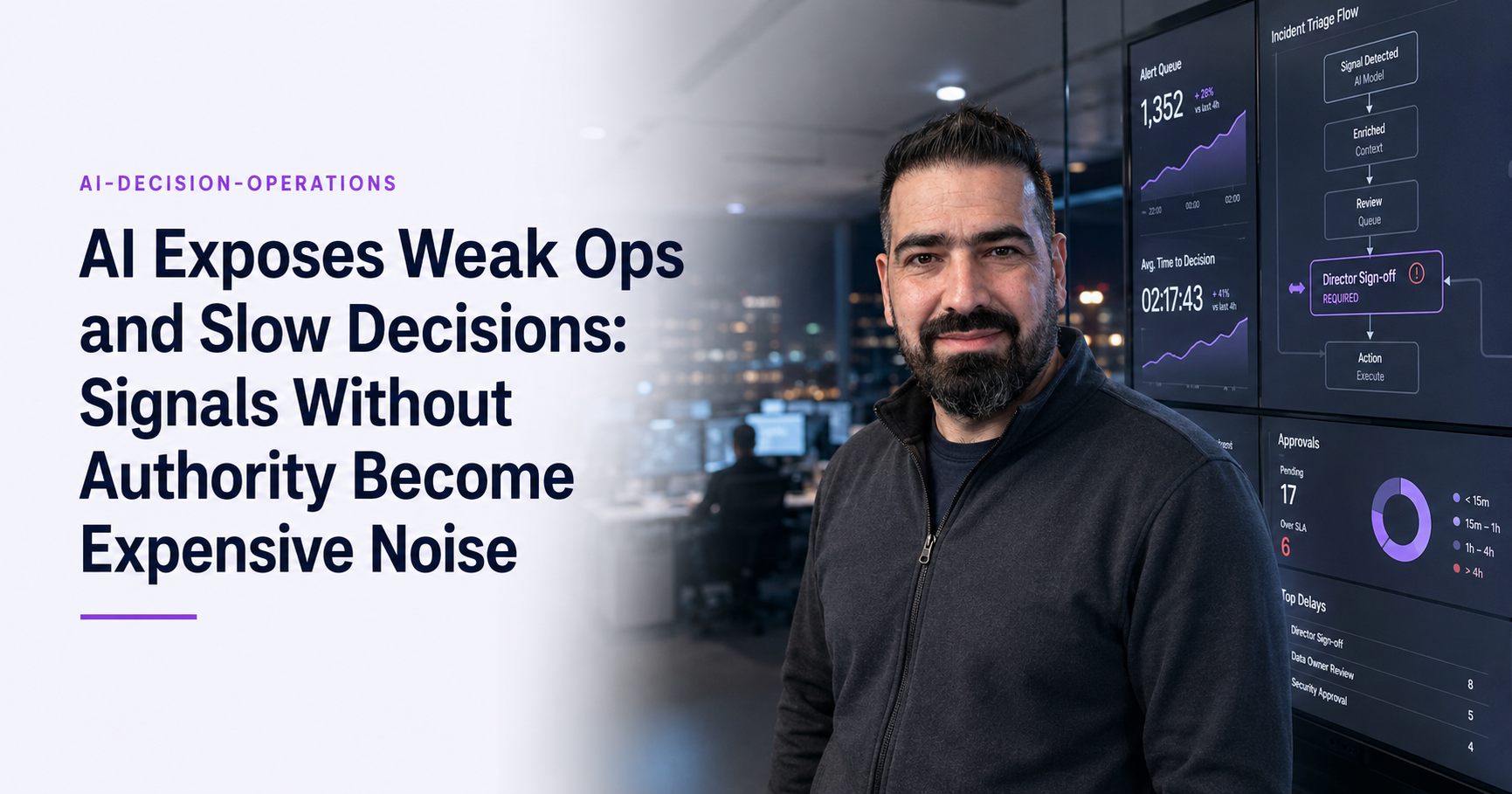
AI Exposes Weak Ops and Slow Decisions: Signals Without Authority Become Expensive Noise
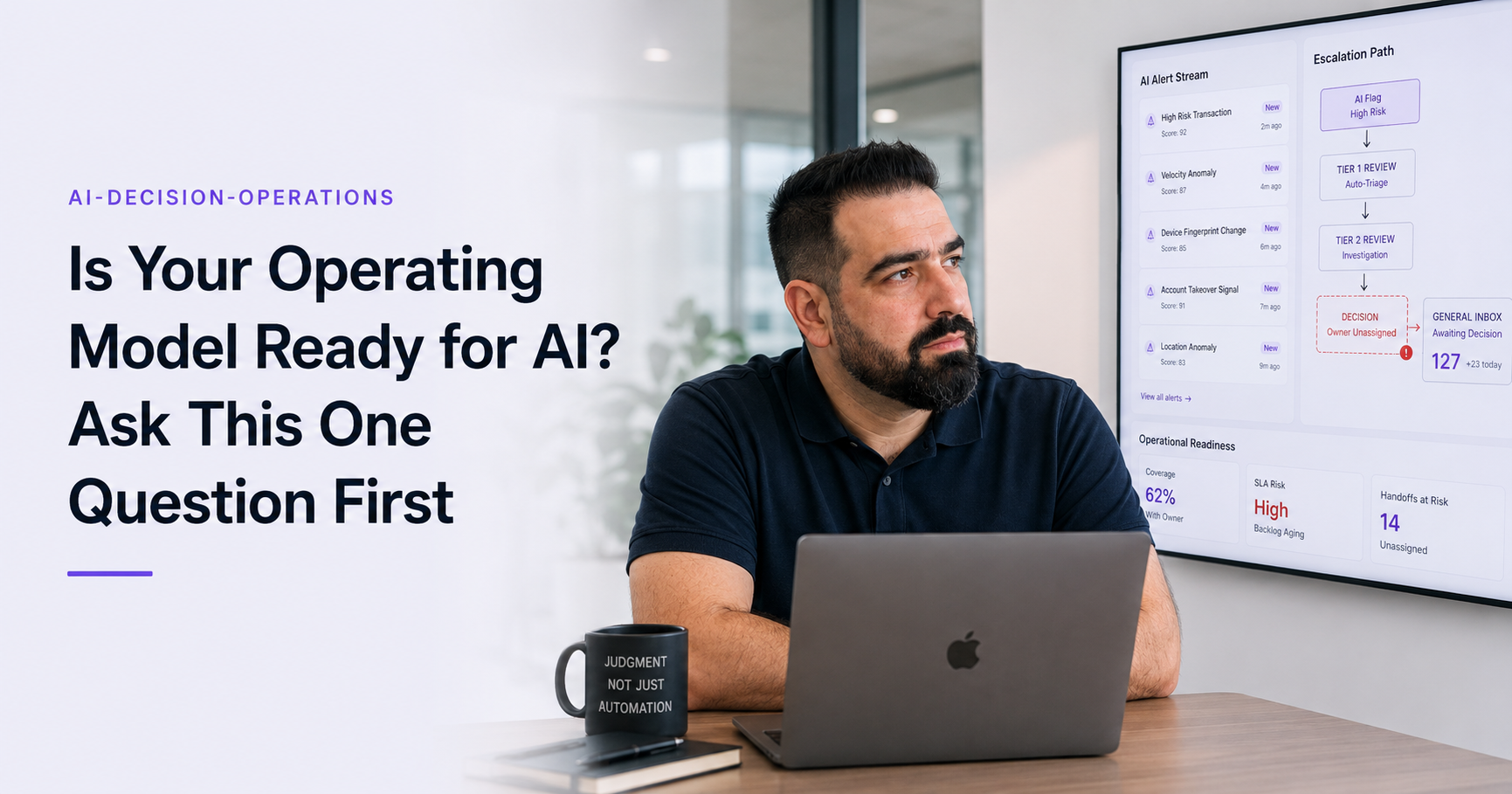
Is Your Operating Model Ready for AI? Ask This One Question First
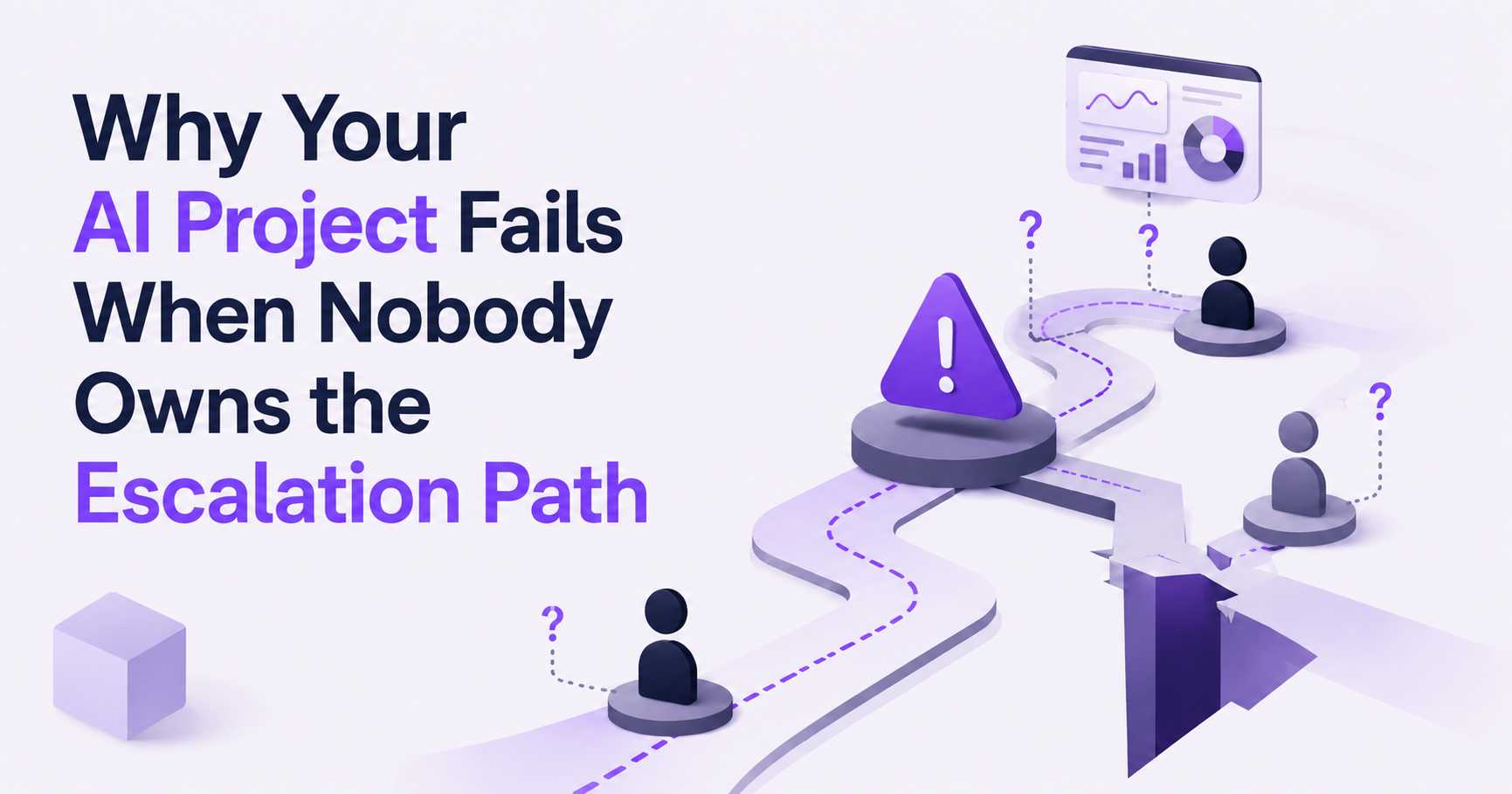
Why Your AI Project Fails When Nobody Owns the Escalation Path
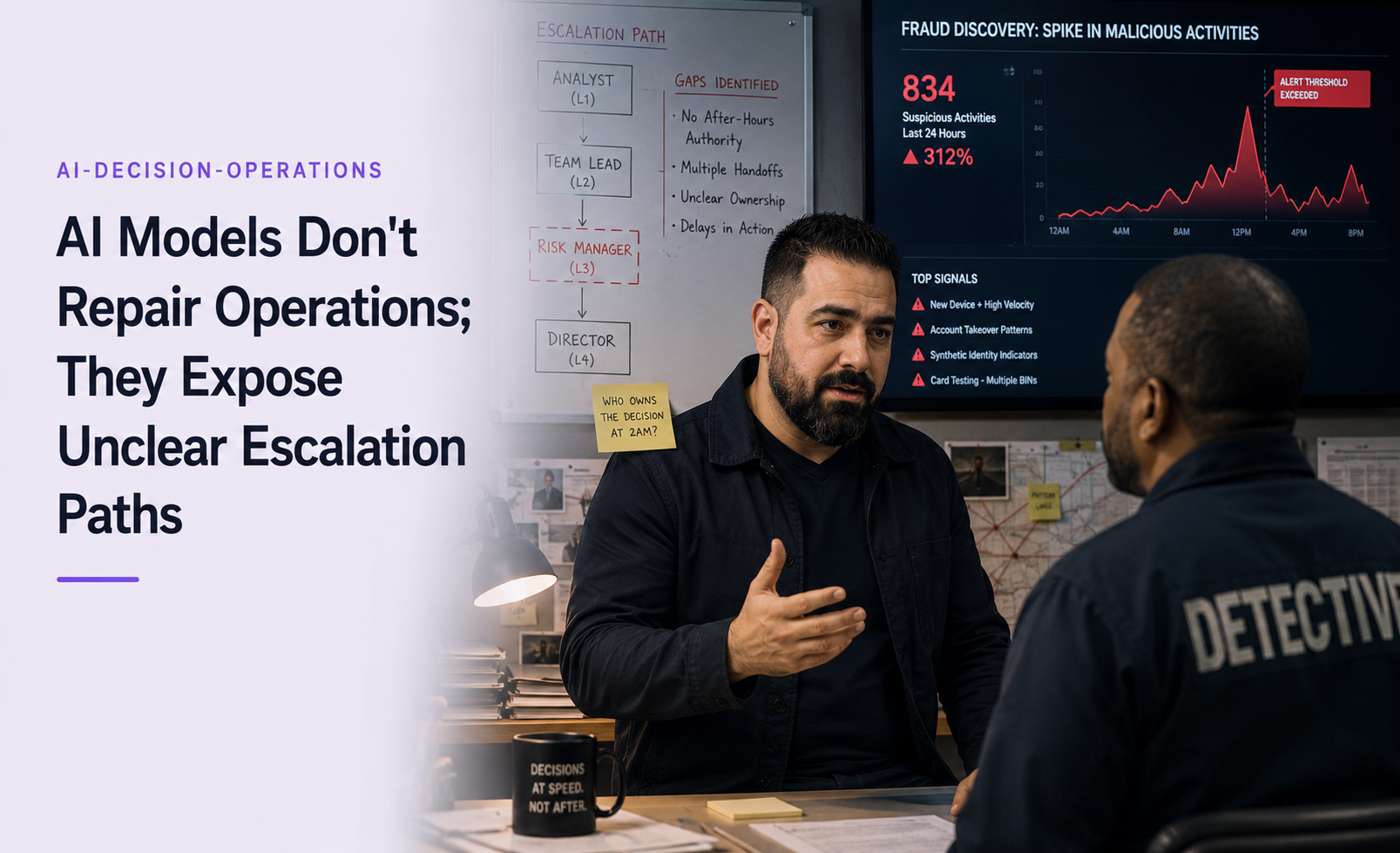
AI Models Don't Repair Operations; They Expose Unclear Escalation Paths
If You Only Build Dashboards, AI Will Take Your Job
AI Won't Save a Sloppy Process: Fix Your Workflow Before Deploying Models
Escalate or Eat the Loss: Why Risk Signals Fail Without Decision Authority
Build Controls, Not Charts: Designing Loss Prevention That Acts
Green Metrics, Real Losses: Why AI Freezes When Risk Moves Fast
The Blind Spots Your Dashboard Hides: Where Fraud Actually Lives
Ship Decisions, Not Dashboards: A Playbook for Risk Teams
Ship Decisions, Not Dashboards: A Playbook for Risk Teams
From Fraud Signal to Action: Why Decision Latency Costs More Than Bad Models
Why Good Data Fails Under Real Risk: The Decision Authority Gap
Why Your Risk Signals Need a Commander, Not Just a Dashboard
Leading vs. Lagging Indicators: Choosing Metrics That Predict, Not Just Report